

Why Version Control Exists: The Pendrive Era of Software Development 💾

Before Git, GitHub, and modern collaboration tools, software development looked very different — and honestly, a bit chaotic.
If you’ve ever seen folders named final, final_v2, or latest_final_REAL, then you already understand why version control exists.
Let’s go back in time.
Life Before Version Control Systems
Imagine a team of developers working on the same project…
without Git, without cloud repos, without history tracking.
How did they share code?
Pendrives (USB drives)
Email attachments
Shared folders
Manual backups
It worked — until it didn’t.
The Pendrive Analogy 🧠
Think of a pendrive as the “source of truth”.
Typical Workflow Back Then
Developer A copies the project to a pendrive
Makes changes
Hands the pendrive to Developer B
Developer B overwrites their local copy
Someone forgets to copy a file
Chaos begins 😅


There was no system, just trust and hope.
The Famous Folder Names 😬
Developers tried to protect themselves by duplicating folders:
project/
├── final/
├── final_v2/
├── final_v2_updated/
├── final_latest/
├── final_latest_REAL/
Each folder was a manual version of the project.
Problems?
No idea what actually changed
No clarity on which version is correct
Huge waste of time and storage
Problems Faced Before Version Control
Let’s break down the real issues.
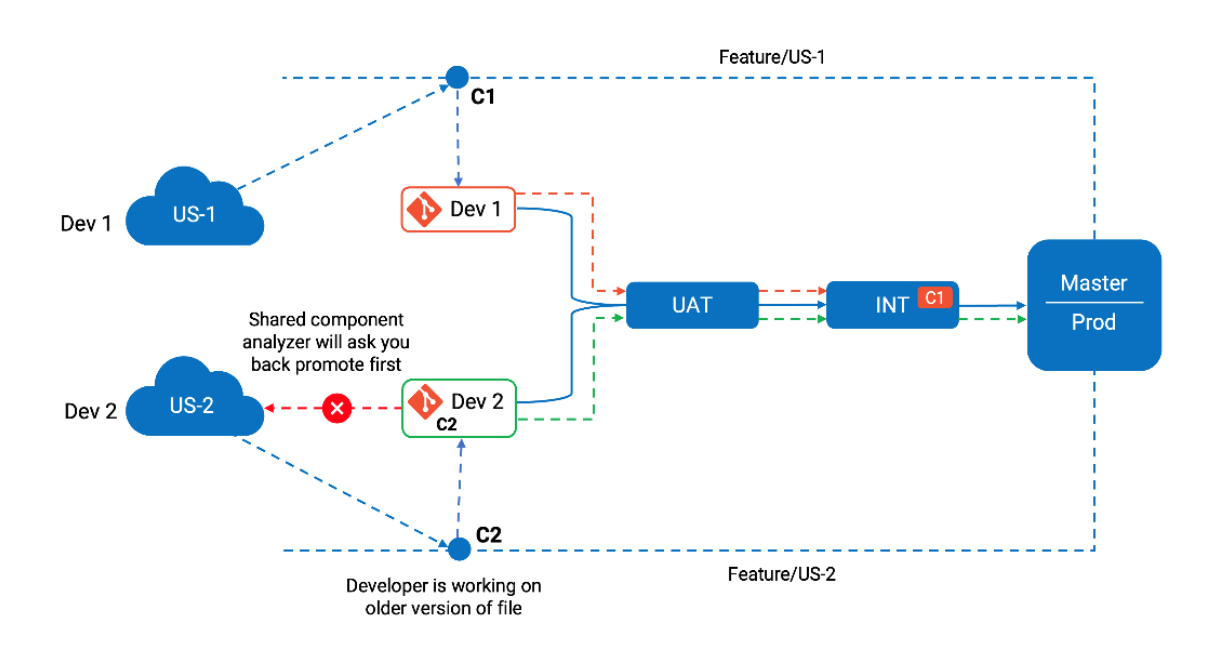
1. Overwriting Code
Two developers edited the same file.
Developer A updates
login.jsDeveloper B updates
login.jsOne copy overwrites the other
💥 Someone’s work is gone forever.
2. No History of Changes
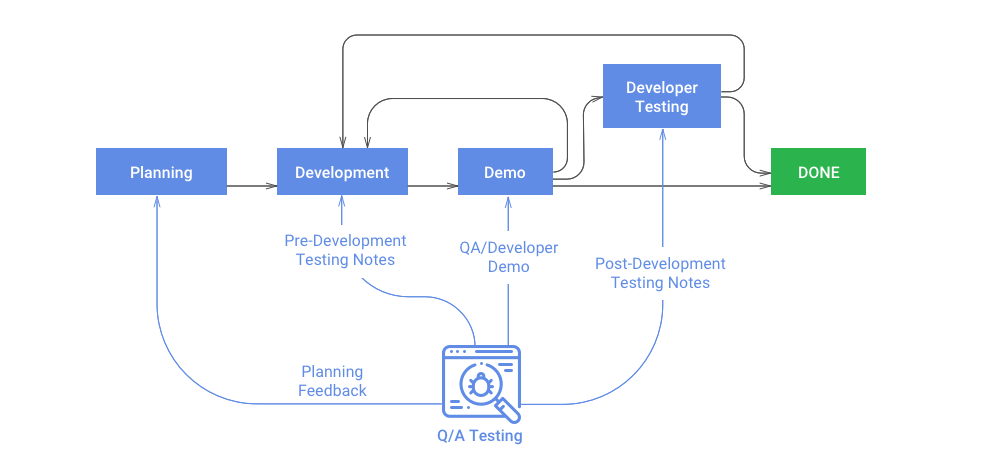
Questions no one could answer:
Who changed this?
When did it break?
What was the working version yesterday?
There was no audit trail.
3. Lost Changes
Files got lost due to:
Accidental deletes
System crashes
Wrong folder copied
Pendrive corruption
Once lost → unrecoverable.
4. No Collaboration Model
Teams couldn’t:
Work in parallel
Experiment safely
Review each other’s changes
Everything had to be sequential — one person at a time.
5. No Rollback
If a new change broke the app:
There was no “go back”
Only guesswork and panic
🚫 No undo button.
Visualizing the Problem: Timeline Chaos
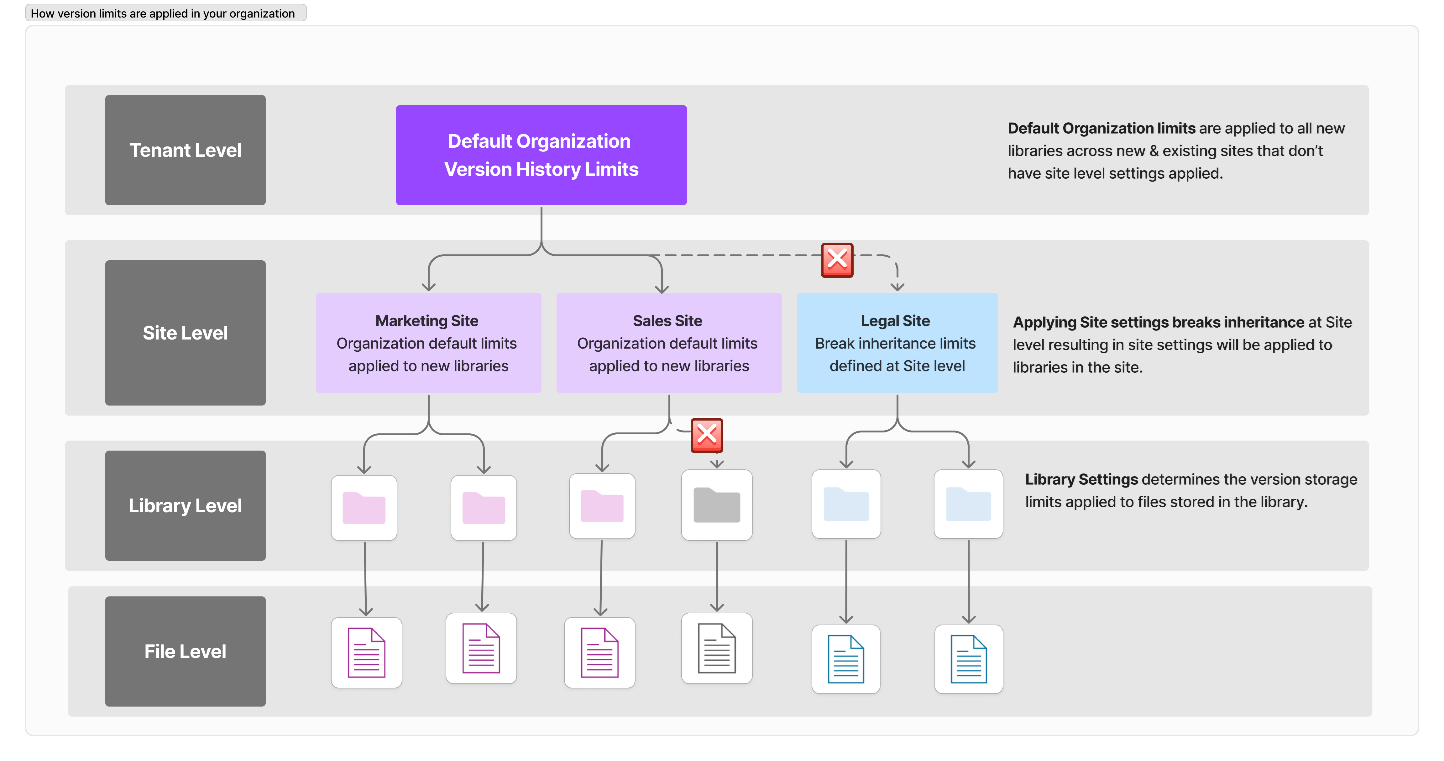
Versions jumped randomly:
v1 → v3 → v2 → broken
No clean history
No confidence
Why Version Control Became Necessary
As software grew:
Teams became larger
Codebases became complex
Releases became frequent
Manual methods could not scale.
Developers needed a system that could:
Track every change
Preserve history
Support collaboration
Prevent overwrites
Allow rollback
That system is Version Control.
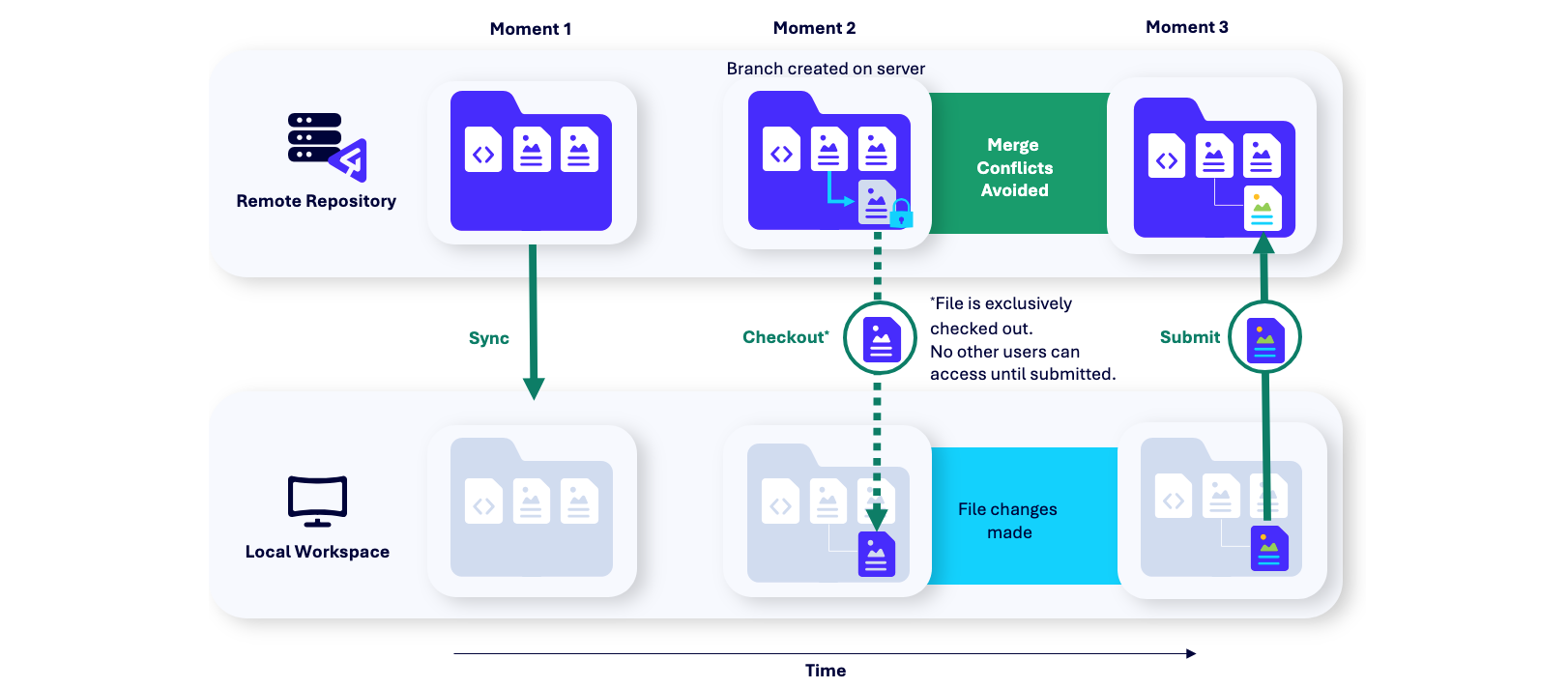
Version Control vs Pendrive Workflow

Pendrive Workflow ❌
One copy at a time
No history
Manual backups
High risk
Version Control Workflow ✅
Everyone works independently
Full change history
Automatic backups
Safe collaboration
How Version Control Solves These Problems
Version control systems:
Track who changed what and when
Prevent accidental overwrites
Allow multiple developers to work in parallel
Provide rollback to any previous state
Maintain a clean project timeline
In short:
Version control replaces chaos with confidence.
Why Version Control Is Mandatory Today
Modern development depends on:
Remote teams
CI/CD pipelines
Open-source collaboration
Fast release cycles
Without version control:
🚫 None of this is possible.
That’s why learning Git isn’t optional — it’s foundational.
Final Thoughts
The pendrive era taught developers a hard lesson:
Manual versioning doesn’t work at scale.
Version control exists because:
Humans make mistakes
Teams need coordination
Software must evolve safely
Once you understand this history, Git no longer feels like “just another tool” —
it feels like a solution to a real problem.
Comments
Join the discussionNo comments yet. Be the first to comment.


